For employers delaying recruitment amid economic and political uncertainty, the biggest risk may not be waiting to hire. It may be waiting too long to prepare.
With the November 3 election approaching, some employers are taking a wait-and-see approach to hiring. Between economic uncertainty, rising employment costs, and questions about future government policies, postponing recruitment may seem like the safest decision.
But what happens when businesses are ready to hire again? Will the workers they need still be available? Will wages have changed? And will competitors already have a head start?
A recent survey suggests these questions are becoming increasingly important. According to an October 14 report from Express Employment Professionals and The Harris Poll, 28% of hiring managers at companies planning to maintain or reduce headcount during the second half of 2026 said they were waiting for the outcomes of changes in government before hiring. Another 23% were waiting for the economy to return to normal.
The survey, conducted among 1,006 U.S. hiring decision-makers in May and June, also found that 72% said rising costs had affected their companies' ability to operate or grow.
The hesitation is understandable. But for HR executives and talent acquisition leaders looking toward 2027, there's an important distinction: Putting hiring on hold doesn't have to mean putting workforce planning on hold.
The Labor Market Won't Wait for Employers to Make Up Their Minds
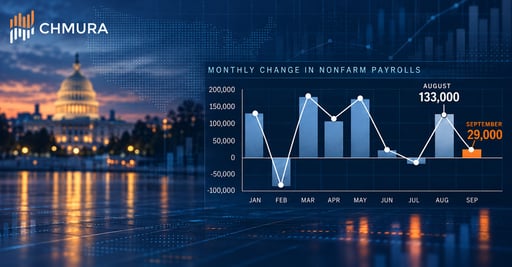
While companies evaluate their options, the labor market continues to change. The latest Bureau of Labor Statistics employment report showed that U.S. employers added just 29,000 jobs in September, while the unemployment rate held at 4.2%.
These figures suggest a relatively subdued national hiring environment. But national employment numbers tell only part of the story. A slowdown in overall job growth doesn't necessarily mean qualified workers are becoming easier to find.
A manufacturing company looking for experienced maintenance technicians in one region may face a very different recruiting environment than a healthcare organization searching for registered nurses in another. Even within the same industry, labor availability, compensation expectations, and employer competition can vary significantly from one market to the next.
And finding qualified employees was already a challenge before the election approached. In an August 2026 Express Employment Professionals/Harris Poll survey reported by HR Dive, 43% of hiring managers said positions were taking longer to fill than two years earlier. Another 44% reported having jobs they couldn't fill.
The implication for employers is important: Slower hiring doesn't automatically mean a surplus of the specific talent your organization needs.
The Hidden Costs of Waiting to Recruit
Delaying a hiring decision may protect an organization's short-term budget. But waiting without understanding what's happening in the labor market can create problems when recruitment resumes.
Consider three possibilities.
- Qualified talent may become harder to find
Employers aren't the only ones making decisions during uncertain times. Workers are accepting positions, changing careers, relocating, and developing new skills.
A company that delays filling a specialized position for several months may discover that the same talent pool looks different when it resumes recruiting.
The relevant question isn't simply how many people live in a region. It's how many workers have the qualifications an employer needs, where those workers are located, and how much competition exists for their skills.
- Compensation budgets may no longer reflect the market
An organization might postpone recruitment while holding onto salary assumptions developed earlier in the year.
But wages and competing job offers can change, even during periods of slower overall employment growth.
When hiring resumes, yesterday's compensation range may no longer attract the candidates employers expect.
Understanding current occupational wages and monitoring competing employers' advertised compensation can help HR leaders build more realistic recruiting budgets before positions reopen.
- Competitors may be preparing while others wait
Not every business will respond to the election or economic uncertainty in the same way.
Some organizations will continue filling essential roles. Others may begin building candidate pipelines for anticipated expansion or replacement hiring.
For employers that eventually need to recruit the same workers, changes in competitor demand can affect how quickly vacancies can be filled.
Without monitoring local hiring activity, businesses risk discovering those changes only after their recruiting efforts begin.
Five Questions HR Leaders Should Answer Before Reopening Positions
Whether hiring resumes immediately after the election or several months into 2027, organizations can strengthen their plans by answering five practical workforce questions.
- Where is the talent we need actually located?
Look beyond the number of workers in a city or county.
Evaluate occupational employment, relevant skills, potential recruiting areas, and commuting patterns. A neighboring labor market may offer a larger recruiting pool than the immediate area surrounding a facility.
Also remember that employment measures people working in an occupation, not necessarily people available to accept a new job.
- What will competitive compensation look like?
Compare wages for your priority occupations across potential recruiting markets.
Consider how compensation varies by geography, experience, and the qualifications required. Job posting compensation can provide another useful signal, although advertised pay and actual wages are not interchangeable.
This information can help identify whether existing salary ranges are likely to support recruitment goals.
- How much competition exists for the same workers?
Monitor job posting activity, employers recruiting for similar occupations, and the skills they request.
A market with many employed workers may still be difficult to recruit from if many organizations are competing for the same talent.
Job postings are indicators of employer demand, not a direct count of hires, so they should be evaluated alongside other labor market measures.
- Is demand for these occupations expected to grow?
Short-term employment conditions matter, but employers should also consider the longer-term outlook.
Occupational employment forecasts can help organizations understand how demand may change as industries grow, contract, or adjust their workforce needs.
A region with sufficient labor today may face tighter conditions if occupational demand expands over the coming years.
- Which markets offer the strongest combination of availability, cost, and future opportunity?
For businesses recruiting across multiple locations, a side-by-side regional comparison can identify important differences.
A market with relatively low wages might offer a smaller talent pool. Another may have more workers but significantly greater competition.
Rather than evaluating any one indicator in isolation, employers should consider how workforce availability, compensation, demand, and growth expectations work together.
For example, take software developers. If you have a presence in these 3 cities, where might you want to focus your hiring?
Build a 2027 Hiring Plan That Works Across Multiple Scenarios
Employers don't have to predict election results to prepare for what comes next.
Instead, HR leaders can develop a workforce strategy that accommodates several potential business conditions.
If hiring accelerates in early 2027: Identify priority occupations, target recruiting markets, competitive salary ranges, and potential labor supply constraints now. This allows recruiting teams to act more quickly when positions are approved.
If uncertainty continues: Use the additional time to monitor wages, competitor hiring activity, and occupational trends. Keep recruiting assumptions current so the organization isn't starting its research from scratch when budgets become available.
If business priorities change: Evaluate alternative locations, different skill requirements, or adjusted staffing plans using comparable labor market information.
The goal isn't to create a perfect forecast. It's to make sure leadership understands the workforce implications of each possible path.
A well-prepared organization can adjust its hiring timeline without losing sight of the labor market conditions that will affect its ability to execute.
Turn Labor Market Data into a More Confident Hiring Strategy
Building these scenarios requires more than reviewing national unemployment figures or searching job boards. Employers need to understand the specific occupations, skills, wages, talent supply, employer competition, and projected trends affecting their locations.
This is where workforce intelligence can make a meaningful difference.
JobsEQ by Chmura brings together regional labor market data, occupational employment and wage information, job posting intelligence, and employment forecasts to help organizations evaluate their workforce options.
HR and talent acquisition leaders can use JobsEQ to compare potential recruiting markets, assess compensation, understand local labor supply, and track changing employer demand.
With JobsEQ Canvas, teams can bring these findings into a customizable reporting workspace, combining charts, maps, and analysis into a presentation-ready view of their 2027 workforce strategy.
Instead of preparing separate reports for each potential hiring scenario, organizations can display their research on a clear, shareable resource for HR, finance, and executive leadership.
That gives decisionmakers more than a collection of labor market statistics. It gives them the context they need to evaluate their options.
The Election Will Pass. Your Workforce Challenges May Not.
The November election may provide answers to some questions surrounding future government policies. It won't, by itself, determine where skilled workers live, what they earn, or how much competition employers face for their talent. Those conditions will continue to evolve regardless of the election outcome.
For organizations with legitimate reasons to delay recruitment, the best next step may not be opening positions immediately. It may be using this time to understand the labor markets they'll eventually need to recruit from.
Because when leadership gives the green light to hire, the organizations that have already done their homework will be better prepared to act. Don't wait for hiring to resume to find out where your next employees will come from.
See What Your 2027 Hiring Market Looks Like
Schedule a 20-minute JobsEQ working session focused on an occupation and recruiting market that matter to your organization. We'll walk through a workforce intelligence comparison covering talent availability, compensation, hiring demand, and employment outlook—and provide a shareable summary to help inform your 2027 planning.
Explore Your 2027 Hiring Market — Schedule a JobsEQ Session

 By Ted Molis