Compare 5 grow-your-own workforce models for building homegrown talent pipelines around local occupation gaps. Get practical insight into program fit.
Workforce
By Chmura Economics & Analytics
Published Aug 26, 2026
Key Takeaways
-
- Start with a named local occupation shortage so that funding and training capacity address a measurable workforce need.
- Match the model to the people available for training, the time required for proficiency, and the employer's capacity to participate.
- Measure the pipeline against local openings, wages, worker supply, completions, and replacement needs before expanding it.
Grow your own workforce programs are most useful when they solve a specific talent gap that local employers can name and training partners can measure. The strongest programs connect residents to occupations with sustained hiring need, viable wages, and a clear path from training into work.
That focus helps workforce boards, educators, employers, and economic development teams decide where funding belongs. The next step is choosing a delivery model that fits the occupation, available workers, and local training capacity.
A local occupation shortage defines the program's focus
"The funding choice still depends on the size of the occupation gap within their own region"
A local occupation shortage gives a grow-your-own program a clear purpose. You need to know which role is short of workers, how large the gap is, what employers pay, and how many people local providers already prepare. Those measures create a workforce choice that funders and employers can understand and give partners a baseline for measuring results.
Nationally, electricians are projected to have about 81,000 openings each year from 2024 to 2034. That figure gives local planners useful context, but the funding choice still depends on the size of the occupation gap within their own region.
A useful screening process tests shortage size, pay, hiring activity, training capacity, and time to proficiency. Chmura's JobsEQ can support that work with local occupation supply, wages, postings, forecasts, and program alignment.
5 Grow-your-own-workforce models that build local pipelines
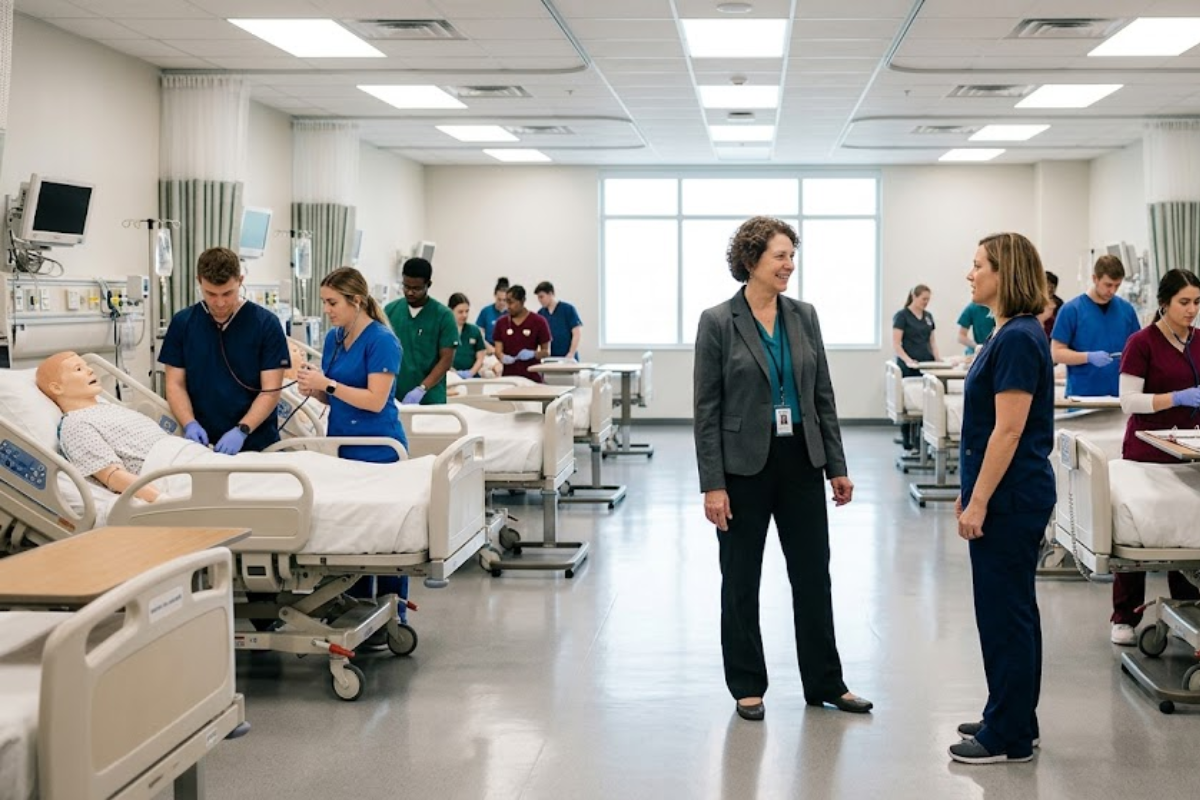
The five models solve different pipeline problems. Some create new entrants, some advance current workers, and others help employers share training capacity. Once the occupation gap is clear, the practical question is which model can prepare enough people at the required skill level within a realistic period.
1. Registered apprenticeships train residents for hard-to-fill occupations
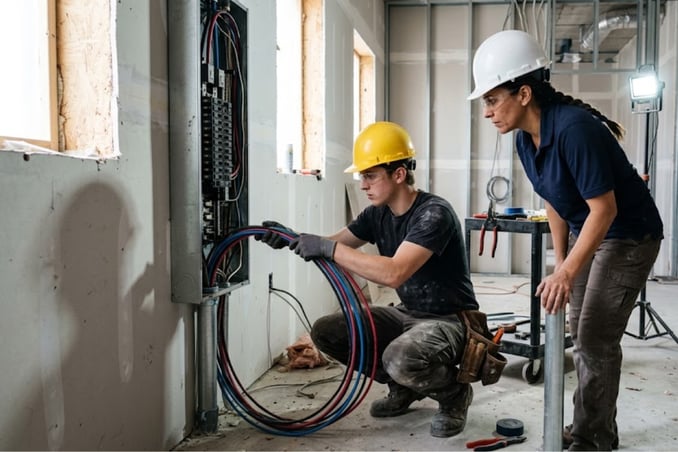
Registered apprenticeships fit occupations where workers need structured instruction plus supervised practice before they can perform independently. Participants earn wages while learning, and employers help define the skills required for the job. This works well when classroom instruction alone cannot reproduce the work people must perform.
Electricians show why the model fits some shortages particularly well. The Bureau of Labor Statistics projects about 81,000 electrician openings each year from 2024 to 2034 and 9% employment growth over the decade. Employers can use apprenticeships to build proficiency while keeping instruction closely tied to job requirements. The main constraint is capacity because employers need qualified mentors, enough work for apprentices, and a training structure they can sustain.
2. Youth apprenticeships connect local students to shortage occupations
Youth apprenticeships extend the pipeline into high school or early postsecondary years, giving students paid work experience before they enter the full labor market. They fit occupations where employers need a steady flow of new entrants, and schools can connect coursework to job-based skill development.
A manufacturing region short of technicians could pair technical courses with paid placements during the final years of high school. Department of Labor research describes school-based Registered Apprenticeship models for students ages 16 through 18. The value comes from timing. Employers can introduce career paths before students leave the region or choose unrelated fields. The model still requires dependable transportation, supervision, scheduling, and a clear route into full employment after graduation.
3. Community college programs prepare residents for priority occupations
Community college programs fit occupations that require technical instruction, credentials, laboratory work, or clinical preparation before employment. Colleges can expand an existing program or create a targeted pathway when employers need more qualified workers than current training capacity can supply.
A health system facing too few qualified clinical workers could work with a college to review faculty limits, clinical placements, and expected completions before adding seats. Colleges can also play a formal role in apprenticeship delivery. Department of Labor guidance reports that nearly 500 educational institutions serve as Registered Apprenticeship program sponsors. The central planning question is capacity. Added enrollment helps only when the institution can provide the instruction, equipment, faculty, and work-based placements needed to move more students through the program.
4. Incumbent worker training advances residents into shortage roles
Incumbent worker training prepares people who already work for local employers to move into higher-skill positions. It works best when current employees have related experience and the remaining skill gap can be addressed through targeted training instead of a full new-entry program.
A health system short of specialized technicians could train experienced support staff for those roles, then recruit new workers into the entry-level positions they leave. Federal Workforce Innovation and Opportunity Act rules allow a local area to use up to 20% of its combined adult and dislocated worker allocations for incumbent worker training. This approach can create movement into the shortage role, plus new openings lower in the career path. Employers still need clear advancement criteria so training leads to an actual role transition.
5. Shared employer programs spread training across smaller firms
"Regional partners add the most value when those common pieces are organized around one verified shortage."
Shared employer programs fit regions where several smaller companies need the same occupation but lack enough hiring volume to operate separate training programs. Employers can use common instruction, skill standards, recruitment, or administration while keeping responsibility for their own workers and hiring choices.
Several manufacturers needing maintenance technicians could agree on a common training sequence and use one education partner for instruction. Federal apprenticeship guidance allows a consortium of businesses or a workforce intermediary to serve as a program sponsor, giving smaller firms a structure for sharing administrative work. The main challenge is coordination. Partners need agreement on schedules, wages, supervision, participant movement, and required skills. Shared models work best when employers have enough common needs to support one program without forcing identical hiring practices.
|
Model |
Main takeaway |
|
1. Registered apprenticeships train residents for hard-to-fill occupations |
Best for roles that require paid instruction plus supervised practice. |
|
2. Youth apprenticeships connect local students to shortage occupations |
Best for building an earlier route from school into local careers. |
|
3. Community college programs prepare residents for priority occupations |
Best when credentialed training capacity must expand. |
|
4. Incumbent worker training advances residents into shortage roles |
Best when current workers can advance into higher-skill positions. |
|
5. Shared employer programs spread training across smaller firms |
Best when smaller employers need common training at a shared scale. |
The right model depends on the local occupation gap
Model selection should follow the constraints of the occupation and the local delivery system. A registered apprenticeship fits longer skill development with employer supervision. Youth apprenticeship fits early recruitment. Community college expansion fits credential-heavy roles. Incumbent training fits advancement from adjacent positions. Shared programs fit employers that need common skills but cannot support separate pipelines.
The final choice should account for training time, participant availability, instructor capacity, employer commitment, wage progression, and the number of workers the program can place. Those criteria keep funding tied to an achievable workforce result. Chmura can help partners test those criteria with local workforce evidence. A homegrown talent initiative is easier to defend when partners can explain why the selected model fits the occupation gap and what outcome it is expected to produce.